.svg)
Eating Disorder
Eating disorders are serious mental health conditions that affect both physical and emotional well-being. They involve problems with thoughts and behaviors around food, weight, and body shape, and can interfere with daily life, relationships, and health.
Without treatment, eating disorders can become long-term problems and may even be life-threatening. The most common types are anorexia nervosa, bulimia nervosa, and binge-eating disorder, along with avoidant/restrictive food intake disorder (ARFID). With proper support and treatment, people can recover and develop healthier relationships with food and their bodies.
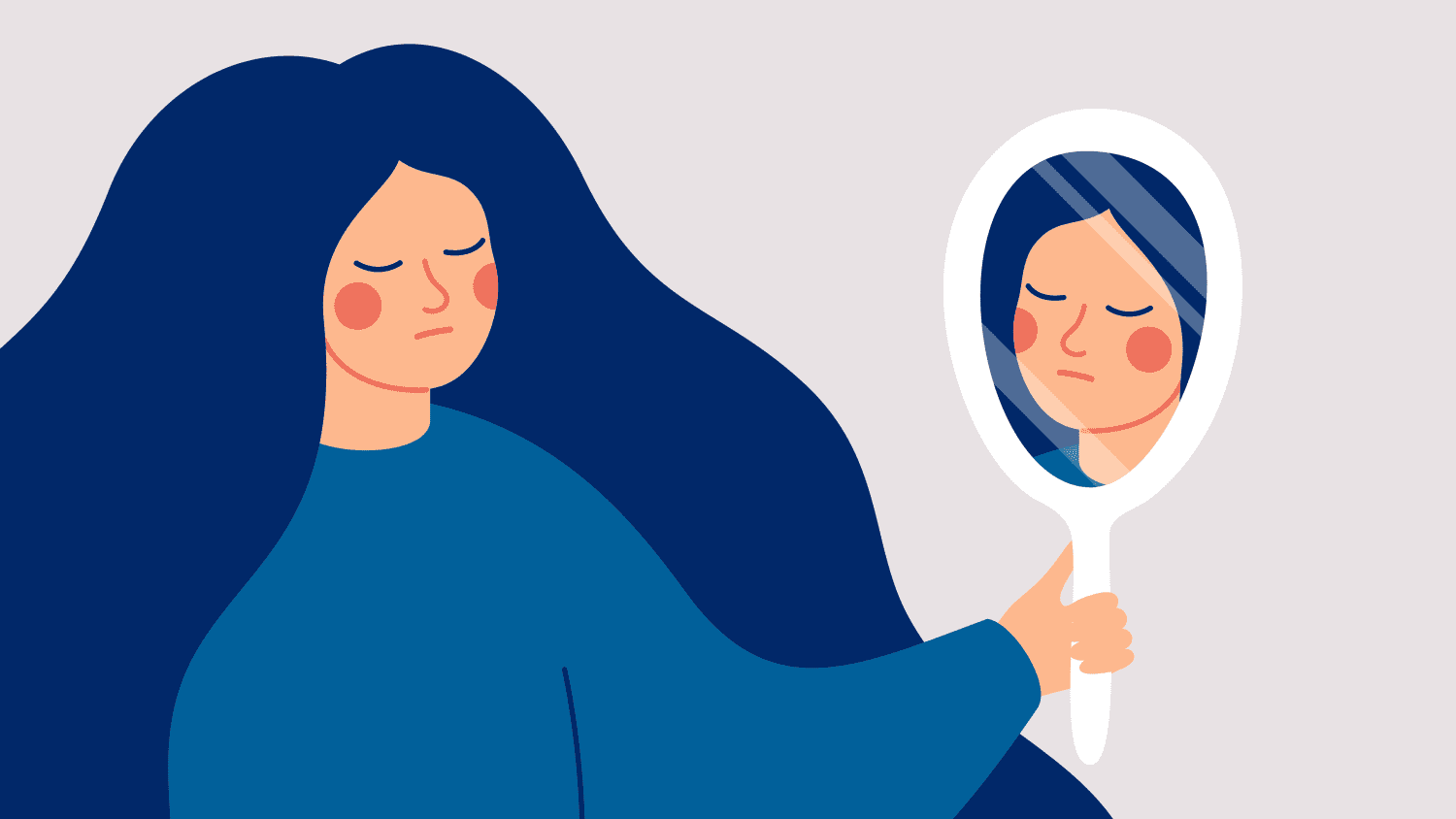

Common Types of Eating Disorders
- Anorexia Nervosa – Extremely low body weight, intense fear of gaining weight, and distorted body image.
- Bulimia Nervosa – Recurrent bingeing followed by purging or other compensatory behaviors.
- Binge-Eating Disorder – Recurrent episodes of overeating without purging, often with feelings of guilt or shame.
- Avoidant/Restrictive Food Intake Disorder (ARFID) – Limited eating or avoidance of certain foods due to sensory issues or fear of adverse effects, without concern about body weight.
Symptoms & Red Flags
- Skipping meals or avoiding food
- Extreme focus on weight or appearance
- Social withdrawal or avoiding meals with others
- Frequent bingeing, purging, or over-exercising
- Signs of self-induced vomiting (calluses on knuckles, enamel erosion)
- Persistent feelings of guilt, shame, or disgust about eating
Causes & Risk Factors
- Genetics: Family history of eating disorders
- Biology: Brain chemistry or biological factors
- Mental health: Anxiety, depression, OCD
- Environmental: Trauma, stress, dieting, weight-related bullying
Eating disorders can affect anyone at any age, though they often start during teen or young adult years.
Complications
- Serious health issues (heart, bones, digestive system)
- Depression, anxiety, and substance use
- Social and work difficulties
- Increased risk of suicide
Treatment & Self-Help
- Professional care: Therapy, nutritional counseling, and sometimes medications
- Support systems: Family, friends, or peer support groups
- Self-care: Healthy eating habits, moderate exercise, and mental health strategies
For children: Encourage healthy eating, model positive body image, and maintain open communication.
Hotlines & Resources
- National Eating Disorders Hotline: 1-866-662-1235 (Mon-Fri, 9 a.m.–7 p.m.)
- Get professional guidance for treatment, emotional support, or information about different types of eating disorders.
Statistics:
- About 9% of the U.S. population (30 million Americans) will experience an eating disorder in their lifetime.
- Early intervention is key to preventing long-term complications.
Closing
Eating disorders are serious but treatable—recovery is possible with support, therapy, and self-care. If you or someone you care about is struggling, reach out for help through professionals or trusted resources like the National Eating Disorders Hotline at 1-866-662-1235.






Elevate your mental wellness with BloomSpace
Subscribe to our newsletter to transform your mental health journey. Get weekly tips, stories, and insights delivered straight to your inbox.