.svg)
Obsessive-Compulsive Disorder (OCD)
Obsessive-Compulsive Disorder (OCD) is a mental health condition in which people experience persistent, unwanted thoughts, urges, or images called obsessions. To relieve the distress caused by these thoughts, they feel compelled to perform repetitive behaviors or mental acts called compulsions.
These obsessions and compulsions—such as excessive hand washing, checking things repeatedly, or counting—can take up more than an hour a day and significantly interfere with daily life, including social interactions, work, and school. People with OCD often realize that their thoughts are unreasonable but feel unable to stop them.
OCD affects 1–2% of people in the United States, often beginning in childhood, adolescence, or early adulthood, with slightly more women affected than men.
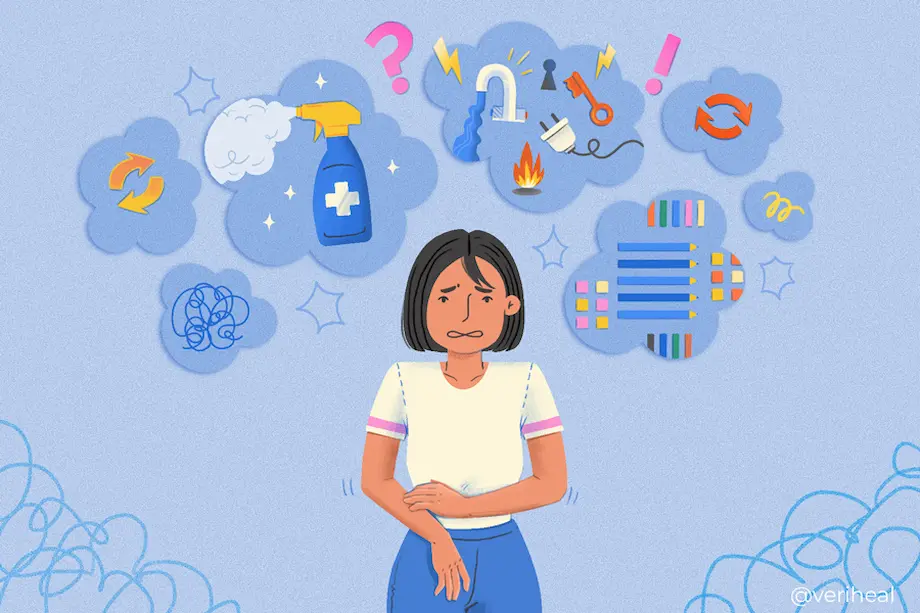

Symptoms & How to Tell if You Might Have It
Obsessions (intrusive thoughts, urges, or images) may include:
- Fear of contamination or germs
- Disturbing sexual or religious thoughts
- Fear of harming oneself or others
- Obsession with order, symmetry, or exactness
- Extreme concern with losing or discarding items
- Seemingly meaningless thoughts, words, or images
Compulsions (repetitive behaviors or mental acts) may include:
- Excessive hand washing or cleaning
- Repeated checking of locks, appliances, or tasks
- Counting, repeating words, or mental rituals
- Actions not directly related to obsessions, performed to reduce distress
Causes & Risk Factors
OCD can affect anyone, and symptoms typically appear by age 19. Factors that may increase risk include:
- Genetics: Higher risk if a first-degree relative has OCD
- Brain differences: Changes in the frontal cortex and subcortical structures
- Neurological conditions: Parkinson’s disease, Tourette’s syndrome, epilepsy
- PANDAS syndrome: OCD triggered in children after strep infections
- Childhood trauma: Abuse or neglect may contribute to OCD development
Diagnosis Criteria
- Presence of obsessions, compulsions, or both
- Symptoms take up more than an hour per day
- Obsessions or compulsions cause distress or interfere with social, work, or daily life
- Symptoms are not due to substances, medications, or another medical condition
Treatment & Self-Help
The most common treatment plan includes psychotherapy (talk therapy) and medication:
- Cognitive Behavioral Therapy (CBT): Helps change obsessive thoughts and compulsive behaviors
- Medications: Serotonin reuptake inhibitors (SRIs), selective SRIs (SSRIs), and some tricyclic antidepressants
- Transcranial Magnetic Stimulation (TMS): Sometimes recommended for severe, treatment-resistant OCD
Self-care strategies can also help manage symptoms:
- Prioritize quality sleep
- Exercise regularly
- Eat a balanced, healthy diet
- Spend time with supportive friends and family
- Practice relaxation techniques like meditation, yoga, or visualization
- Join support groups, in-person or online
When to Seek Help & Emergency Guidance
Seek professional help if OCD symptoms interfere with daily functioning or cause significant distress. Call 911 if you experience thoughts of self-harm or feel unsafe.
Resources
- NAMI HelpLine: 1-800-950-NAMI (6264)
- Local therapy or counseling services
- Online or in-person OCD support groups
Closing
Coping with OCD can be challenging, but treatment, self-care, and support can reduce symptoms and improve quality of life. Early diagnosis and consistent management are key to minimizing its impact.






Elevate your mental wellness with BloomSpace
Subscribe to our newsletter to transform your mental health journey. Get weekly tips, stories, and insights delivered straight to your inbox.