.svg)
Anxiety Disorders
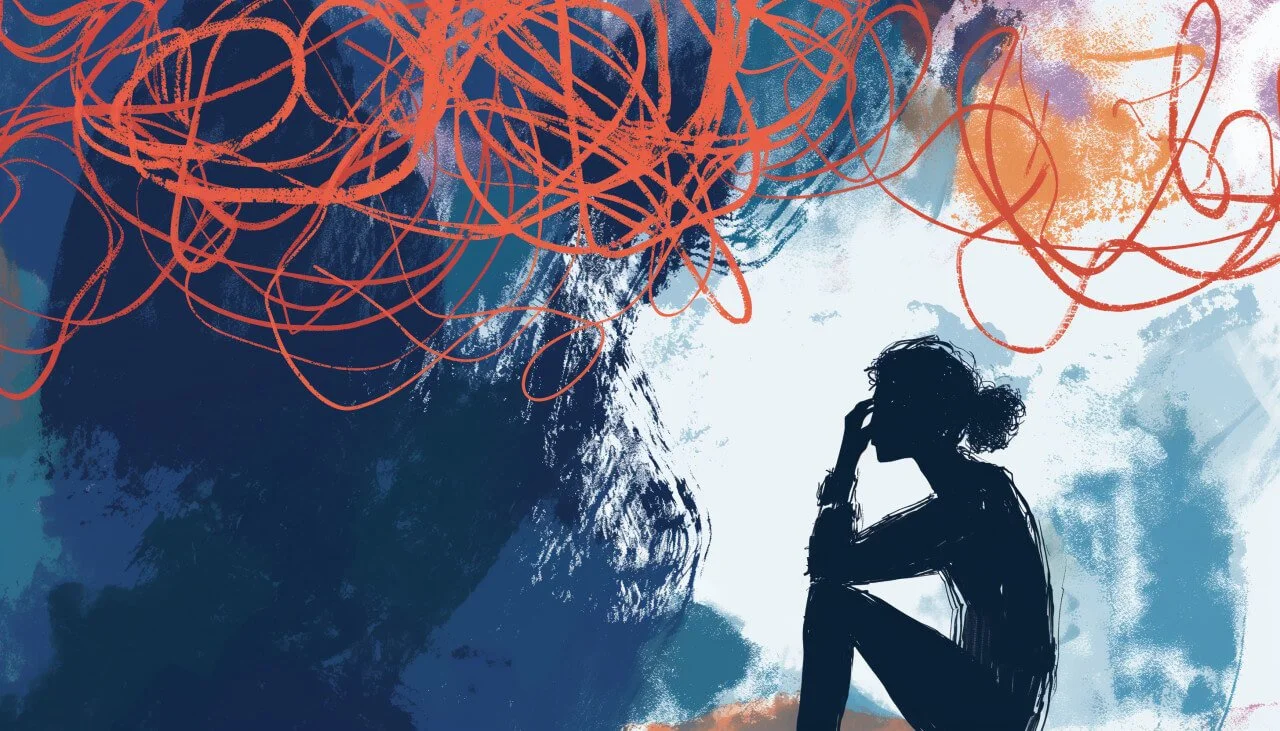
Anxiety is more than feeling nervous—it’s a strong sense of worry, fear, or dread that can feel overwhelming. For some, it happens occasionally and helps them focus or cope. But for those with anxiety disorders, these feelings are constant, intense, and can interfere with daily life, school, work, and relationships.

What It Is
Anxiety disorders are conditions where fear or worry doesn’t go away and may even get worse over time. They affect your thoughts, behaviors, and physical health.
When / Who It Affects
Anxiety disorders are the world’s most common mental health condition. In 2021, 359 million people worldwide experienced an anxiety disorder, which is about 4.4% of the global population. Symptoms often start in childhood or adolescence, and women are affected more than men. Trauma, loss, or stressful life experiences can increase the risk.
Types of Anxiety Disorders
There are several types of anxiety disorders:
- Generalized Anxiety Disorder (GAD): Excessive worry about everyday issues like work, money, or health, lasting six months or more.
- Panic Disorder: Sudden, intense panic attacks without real danger.
- Phobias: Extreme fear of specific things or situations, like flying, heights, or spiders.
- Social Anxiety Disorder: Fear of social situations or being judged.
- Agoraphobia: Fear of situations where escape might be difficult.
Symptoms & How to Tell if You Might Have It
People with anxiety disorders often feel tense, restless, or constantly worried. You might notice:
- Trouble concentrating or making decisions
- Feeling irritable or on edge
- Rapid heartbeat, sweating, shaking, or nausea
- Trouble sleeping
- A sense of impending doom or panic
If these feelings happen almost every day, interfere with normal life, or lead you to avoid situations, it may be time to seek help.
Causes & Risk Factors
The exact cause of anxiety disorders is unknown, but several factors can contribute: genetics, brain chemistry, personality traits like shyness, traumatic experiences, stressful environments, certain health conditions (like thyroid problems), and some medications or substances.
Treatment Options
Anxiety disorders are highly treatable. Common approaches include therapy, medication, or both. Cognitive Behavioral Therapy (CBT) helps change patterns of thinking and behavior, while exposure therapy can help confront fears gradually. Anti-anxiety or antidepressant medications may be used under a doctor’s supervision. Despite their effectiveness, only about 1 in 4 people with anxiety disorders currently receive treatment.
What You Can Do to Help Yourself
Daily strategies can make a big difference. Try practicing mindfulness, deep breathing, keeping a routine, exercising, limiting caffeine, and talking to supportive friends, family, or groups. Journaling or grounding exercises can help manage panic or anxious moments.
When to Seek Professional Help
Seek help if anxiety is interfering with school, work, relationships, or daily activities, or if it feels uncontrollable.
Emergency Guidance
Call 911 or go to the ER if you experience:
- Thoughts of harming yourself or others
- Severe panic that won’t improve
- Hallucinations or loss of reality
- Life-threatening physical symptoms, like chest pain or difficulty breathing
Resources
- National Mental Health Hotline: 888-786-3092
- Local counseling or therapy services
- Online or in-person anxiety support groups
Closing
If you struggle with anxiety, you’re not alone. With the right help, support, and coping strategies, you can manage symptoms and live a fuller, calmer life.






Elevate your mental wellness with BloomSpace
Subscribe to our newsletter to transform your mental health journey. Get weekly tips, stories, and insights delivered straight to your inbox.