.svg)
Behavioral Disorders
Behavioral disorders are mental health conditions characterized by ongoing patterns of disruptive behaviors that significantly affect social, academic, or occupational functioning. Behavioral disorders are common in the United States and internationally. An estimated 47.6 million Americans ages 18 and older—about 1 in 5 adults—suffer from a diagnosable behavioral disorder in a given year. These patterns may include impulsivity, aggression, defiance, or rule-breaking that are inconsistent with age or developmental stage. Behavioral disorders typically start before 8 years of age, but no later than by about 12 years of age.
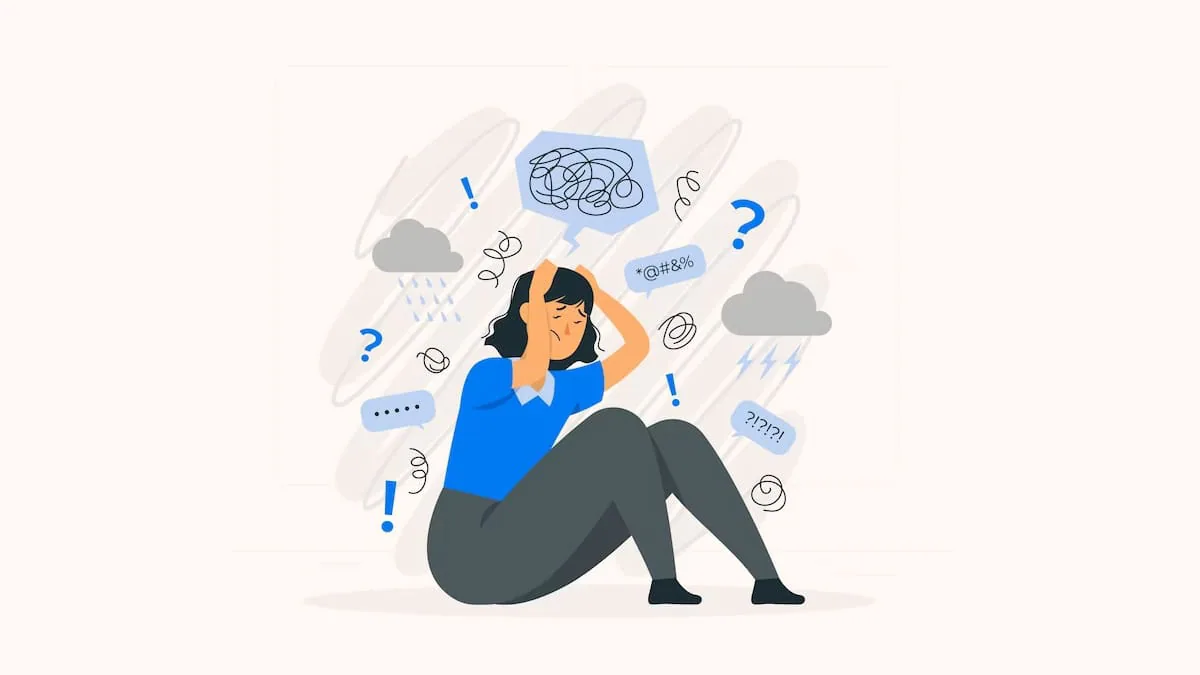

Symptoms & How to Tell if You Might Have It
- Frequent temper tantrums or aggression toward people or animals
- Defiance of authority figures or refusal to follow rules
- Impulsive behavior or difficulty controlling actions
- Lying, stealing, or vandalism
- Difficulty maintaining relationships or functioning in school/work
Causes & Risk Factors
- Genetics and family history of behavioral or mental health disorders
- Neurobiological differences affecting impulse control and emotional regulation
- Environmental factors, such as trauma, neglect, or inconsistent parenting
- Exposure to violence or substance use in the home
Treatment & Self-Help
- Behavioral therapy, including cognitive-behavioral therapy (CBT) and parent management training
- Medications in certain cases to manage aggression, impulsivity, or co-occurring conditions
- Structured routines, clear expectations, and positive reinforcement
- Social skills training and supportive educational interventions
When to Seek Help & Emergency Guidance
Seek professional help if disruptive behaviors are frequent, severe, or pose a risk to self or others. Call 911 if there is imminent danger or aggressive behavior that cannot be safely managed.
Resources
- NAMI HelpLine: 1-800-950-NAMI (6264)
- Local mental health clinics and school counseling services
Early intervention can improve outcomes and help individuals develop healthy coping and social skills. Consistent support from caregivers, educators, and mental health professionals is essential for long-term success.
Attention-Deficit/Hyperactivity Disorder (ADHD)
ADHD is a common neurodevelopmental disorder that affects attention, impulse control, and activity levels. Symptoms usually begin before age 12 and can persist into adulthood, impacting school, work, and social relationships. An estimated 7 million (11.4%) U.S. children aged 3–17 years have ever been diagnosed with ADHD.
Symptoms & How to Tell if You Might Have It
- Persistent inattention, such as difficulty focusing on tasks or following instructions
- Hyperactivity, including fidgeting, restlessness, or difficulty staying seated
- Impulsivity, making hasty decisions, interrupting others, or speaking out of turn
- Difficulty organizing tasks, completing homework or projects, and managing time
Causes & Risk Factors
- Genetics: ADHD often runs in families, indicating a hereditary component
- Brain differences: Structural and functional variations in brain regions controlling attention and behavior
- Environmental factors: Premature birth, exposure to toxins, or prenatal substance exposure
Treatment & Self-Help
- Behavioral therapy, parent management training, and school-based support strategies
- Medications such as stimulants (e.g., methylphenidate) and non-stimulants (e.g., atomoxetine)
- Practical strategies: structured routines, clear rules, organizational aids, and time management tools
When to Seek Help & Emergency Guidance
Seek professional evaluation if symptoms disrupt daily life, school, or relationships. Call 911 if impulsive behavior puts the individual or others at immediate risk.
Resources
- NAMI HelpLine: 1-800-950-NAMI (6264)
- CHADD (Children and Adults with ADHD): 1-866-200-8098
Closing
ADHD can be managed effectively with proper treatment and support. Early intervention improves academic, social, and emotional outcomes.






Elevate your mental wellness with BloomSpace
Subscribe to our newsletter to transform your mental health journey. Get weekly tips, stories, and insights delivered straight to your inbox.