.svg)
Depression
Depression is a common mental disorder that affects how a person feels, thinks, and functions in daily life. It goes beyond normal mood changes and can cause persistent sadness, irritability, or a loss of interest or pleasure in activities. Depression can affect relationships, work, school, and community involvement.
Globally, an estimated 5.7% of adults suffer from depression, with women being more affected than men. Approximately 332 million people worldwide experience depression. It can occur at any age, and more than 10% of pregnant or postpartum women experience depression.

Symptoms & How to Tell if You Might Have It
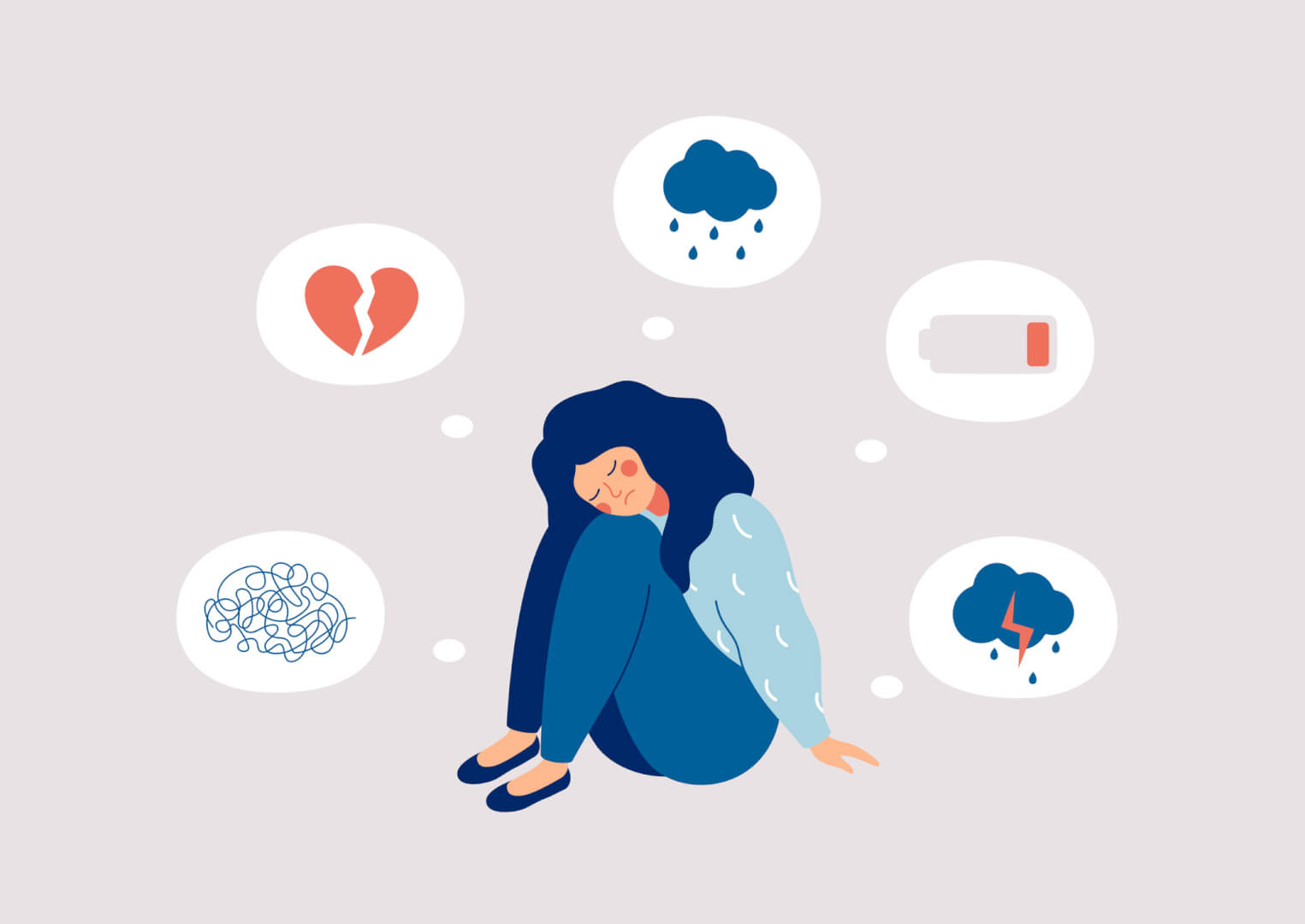
Depression involves more than temporary sadness. A depressive episode typically lasts most of the day, nearly every day, for at least two weeks. Common symptoms include:
- Persistent sadness, emptiness, or irritability
- Loss of interest or pleasure in usual activities
- Poor concentration or difficulty making decisions
- Feelings of guilt, low self-worth, or hopelessness
- Disrupted sleep or changes in appetite or weight
- Fatigue or low energy
- Thoughts about dying or suicide
Causes & Risk Factors
Depression can affect anyone, but certain factors increase risk, such as:
- Experiencing abuse, severe loss, or stressful life events
- Genetics or family history of depression
- Chronic physical illnesses or poor physical health
- Women are more likely to experience depression than men
Depression is closely linked to physical health, and risk factors like inactivity or harmful alcohol use can contribute to both depression and other illnesses such as heart disease, diabetes, or cancer.
Types of Depressive Episodes
Depressive episodes can be categorized based on severity and recurrence:
- Mild, Moderate, or Severe: Based on number and intensity of symptoms and how much they interfere with daily life
- Single Episode Depressive Disorder: The first and only depressive episode
- Recurrent Depressive Disorder: History of at least two depressive episodes
- Bipolar Disorder: Depressive episodes alternate with periods of mania, which can include elevated mood, increased energy, talkativeness, racing thoughts, and impulsive behavior
Treatment Options
Psychological treatments, such as talk therapy, are the first line of treatment for depression. These may be conducted in person or online, with professionals or supervised lay therapists. Psychological therapy can help people develop coping strategies and healthier ways of thinking.
- Antidepressant medications may be recommended for moderate or severe depression, but they are usually not necessary for mild depression. Combining therapy with medication often produces the best results for more severe cases.
Self-Help Strategies
Even with professional treatment, there are steps people can take to support themselves:
- Continue engaging in activities you usually enjoy
- Stay connected to friends and family
- Exercise regularly, even if it’s a short walk
- Maintain regular eating and sleeping habits
- Avoid or reduce alcohol and do not use illicit drugs
- Talk to someone you trust about your feelings
- Seek help from a healthcare provider
When to Seek Help & Emergency Guidance
Seek professional help if depression interferes with work, school, or daily life. Call 911 or go to the ER if you experience:
- Thoughts of self-harm or suicide
- Inability to function in daily activities
- Severe physical symptoms like chest pain or extreme fatigue
Resources
- National Mental Health Hotline: 888-786-3092
- Local counseling or therapy services
- Online or in-person depression support groups
Closing
Depression can be overwhelming, but it is treatable. With therapy, support, self-care strategies, and, if needed, medication, individuals can manage symptoms and regain control over their lives.




Elevate your mental wellness with BloomSpace
Subscribe to our newsletter to transform your mental health journey. Get weekly tips, stories, and insights delivered straight to your inbox.