.svg)
Post-Traumatic Stress Disorder (PTSD)
Post-Traumatic Stress Disorder (PTSD) is a mental health condition that can develop after experiencing or witnessing a traumatic or terrifying event. While many people may struggle temporarily after trauma, PTSD occurs when symptoms persist for months or years and significantly affect daily life, including work, school, and relationships.
Symptoms often begin within the first three months after the traumatic event, but sometimes they may appear years later. These symptoms typically last more than one month and can disrupt daily functioning.
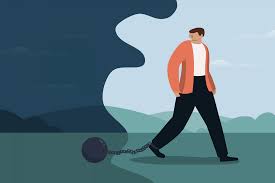

Symptoms & How to Tell if You Might Have It
PTSD symptoms generally fall into four categories:
1. Intrusive Memories
- Recurrent, unwanted memories of the traumatic event
- Flashbacks, feeling as though the event is happening again
- Nightmares related to the trauma
- Severe distress or physical reactions to reminders of the event
2. Avoidance
- Avoiding places, people, or activities that trigger memories of the trauma
- Avoiding thoughts or conversations about the event
3. Negative Changes in Thinking & Mood
- Persistent negative thoughts about oneself, others, or the world
- Ongoing feelings of fear, guilt, shame, or anger
- Memory problems, including forgetting important aspects of the event
- Feeling detached from family or friends, or losing interest in activities once enjoyed
- Emotional numbness or difficulty experiencing positive emotions
4. Changes in Physical & Emotional Reactions (Arousal Symptoms)
- Being easily startled or constantly on guard
- Trouble sleeping or concentrating
- Irritability, anger outbursts, or aggressive behavior
- Physical reactions such as rapid heartbeat, sweating, or shaking
- Self-destructive behavior, including substance misuse or risky activities
Special Considerations for Children (Under 6 Years Old)
- Reenacting aspects of the traumatic event through play
- Frightening dreams with or without actual trauma content
Causes & Risk Factors
While the exact cause of PTSD is unknown, a combination of factors likely contributes:
- Trauma severity and duration: More severe or repeated traumatic experiences increase risk
- Personality traits and temperament
- Family history: Mental health disorders, including PTSD or depression, may increase risk
- Brain chemistry and stress regulation
- Previous trauma or mental health conditions
- Lack of support system
People in high-risk jobs, such as military personnel or first responders, may be more likely to develop PTSD. Women are more likely than men to experience PTSD, partly due to a higher likelihood of sexual trauma exposure.
Common Traumatic Events Leading to PTSD
- Combat or military exposure
- Childhood physical or sexual abuse
- Physical assault or being threatened
- Accidents, natural disasters, or terrorist attacks
- Life-threatening medical diagnoses
Treatment & Self-Help
PTSD can disrupt all areas of life, but treatment can help reduce symptoms and improve functioning:
Professional Care
- Therapy: Trauma-focused psychotherapy, cognitive behavioral therapy (CBT), or exposure therapy
- Medication: Sometimes prescribed to manage anxiety, depression, or sleep problems
Self-Care Strategies
- Stay connected with supportive friends and family
- Practice relaxation techniques, such as meditation, yoga, or deep breathing
- Maintain healthy sleep, eating, and exercise habits
- Avoid alcohol and drugs that can worsen symptoms
- Join support groups, in-person or online
When to Seek Help & Emergency Guidance
Seek help if PTSD symptoms interfere with daily life or cause emotional distress. Call 911 if experiencing thoughts of self-harm or extreme risk behaviors.
Resources
- Suicide and Crisis Lifeline: Dial or text 988, or chat online
- Local therapy or counseling services
- PTSD-focused support groups online or in-person
Closing
PTSD is a serious but treatable condition. Early diagnosis and consistent management can help reduce symptoms, restore daily functioning, and improve quality of life.





Elevate your mental wellness with BloomSpace
Subscribe to our newsletter to transform your mental health journey. Get weekly tips, stories, and insights delivered straight to your inbox.